Industry and commercial insurance helps businesses manage the financial consequences of risks that could disrupt operations, damage property, or lead to claims against the company. The right protection depends on what a business does, where it operates, what assets it owns, and the contracts or laws that apply. This guide explains common commercial insurance types, how to assess coverage needs, how policies differ, and what to review before choosing or renewing protection.
What Is Industry and Commercial Insurance?
Industry and commercial insurance is a broad term for insurance designed to protect businesses, organizations, and self-employed professionals against specified losses. Depending on the policy, it may cover property damage, legal liability, employee injuries, vehicle accidents, cyber incidents, or lost income after an insured event.
There is no single policy that automatically covers every business risk. Coverage is set out in individual policy documents, including the policy wording, declarations or schedule, endorsements, limits, deductibles, and exclusions. Two policies with similar names can offer different protection, so the wording matters more than the label.
Why Businesses Buy Commercial Insurance
A serious loss can affect a business in several ways at once. A fire may damage a building, destroy stock, interrupt sales, and create obligations to employees or customers. A faulty product could lead to injury claims, legal expenses, a product recall, and reputational damage.
Insurance can transfer some defined financial risks to an insurer in exchange for a premium, subject to the contract. It does not prevent losses, guarantee that every claim will be accepted, or replace good safety, security, and continuity planning. Its role is to provide financial support for covered events and help a business recover.
Who Needs Commercial Insurance?
Businesses of almost any size may have risks that merit insurance review, from a home-based consultant to a manufacturer with multiple sites. The kinds of coverage that make sense vary widely. A consultant may prioritize professional liability and cyber coverage, while a warehouse may need property, equipment, inventory, vehicle, and workers' compensation protection.
Some coverage may be required by law, a lease, a lender, a customer contract, or a professional licensing body. Requirements differ by country, state, province, industry, and business structure. A legal requirement or contract term should be checked with the relevant authority or a qualified professional in the applicable jurisdiction.
Common Types of Commercial Insurance
Commercial insurance is usually assembled from policies or coverage sections that address different exposures. The following descriptions are general; actual cover depends on the terms, definitions, limits, and exclusions in a policy.
Commercial General Liability Insurance
General liability insurance, also called public liability in some markets, commonly addresses certain third-party claims involving bodily injury, property damage, or related legal liability arising from business activities. For example, a visitor who slips in a shop might allege that the business failed to keep the premises reasonably safe.
It is not a substitute for every form of liability cover. General liability policies commonly have exclusions or limits for matters such as professional errors, employee injuries, owned property, pollution, or certain cyber events. Businesses should check how the policy defines covered claims and whether defense costs reduce the limit.
Commercial Property Insurance
Commercial property insurance may cover buildings, equipment, furniture, stock, and other business property against specified causes of loss. A policy can be written for a business owner or tenant, and the insured property and location must be described appropriately.
Coverage may be based on named perils, which list covered causes, or on broader wording that covers direct physical loss unless excluded. Neither approach means every loss is covered. Flood, earthquake, wear and tear, mechanical breakdown, and other risks may be excluded, limited, or available through separate coverage, depending on the policy and location.
Business Interruption Insurance
Business interruption insurance, sometimes called business income coverage, may help replace certain income or cover specified continuing expenses when operations are disrupted by a covered physical loss. A policy may include a waiting period, a period of restoration, and requirements connecting the interruption to insured property damage.
For instance, if a covered fire closes a workshop, the policy might help with eligible lost income and continuing expenses while repairs are made. It may not respond to a closure caused by an event that is excluded or to a slowdown without the required insured damage. Review the policy's trigger, calculation method, waiting period, and maximum restoration period.
Workers' Compensation and Employers' Liability
Workers' compensation insurance provides benefits for eligible employee work-related injuries or illnesses under the applicable system. The rules, covered workers, benefits, and employer obligations vary by jurisdiction. In some places, employers' liability insurance is also available or required to address certain claims not handled by workers' compensation.
Business owners should confirm which workers must be covered, whether contractors are treated differently, and how payroll and job classifications affect the policy. Do not assume that a worker's title or contract label alone determines their legal status.
Commercial Auto and Fleet Insurance
Commercial auto insurance is designed for vehicles used in business activities. Depending on the policy, it may address liability to others, physical damage to covered vehicles, or certain other vehicle-related exposures. A personal auto policy may restrict or exclude some business uses.
Businesses should identify every vehicle, regular driver, type of use, and operating territory accurately. Delivery work, transporting tools, carrying passengers, or allowing employees to use personal vehicles for company tasks can create different exposures. The policy should match the way vehicles are actually used.
Professional Liability and Errors and Omissions
Professional liability insurance, often called errors and omissions insurance, may respond to claims alleging that professional advice, design, services, or work caused a client's financial loss. It is particularly relevant to consultants, architects, accountants, technology providers, and other service businesses, although coverage needs depend on the work performed.
Many professional liability policies are written on a claims-made basis. In general, this means the policy must be active when a claim is made and reported, and the alleged act must fall within the policy's applicable date requirements. Retroactive dates, reporting rules, and continuity of cover deserve careful attention when changing insurers.
Product Liability Insurance
Product liability coverage may address certain claims alleging that a product caused injury or property damage. Manufacturers, importers, distributors, and retailers can have different responsibilities and exposures across the supply chain. A product policy may be included in a broader liability policy or arranged separately.
Businesses should check whether the policy covers the products, territories, sales channels, and activities involved. Product testing, quality controls, traceability, clear instructions, and a recall plan remain important even when insurance is in place. A product liability policy does not necessarily cover the cost of recalling or replacing products.
Cyber Insurance
Cyber insurance may provide defined support after certain cyber incidents, such as a data breach, ransomware event, or disruption to computer systems. Depending on the policy, services or benefits may include incident response, forensic investigation, legal guidance, notification expenses, or certain business interruption losses.
Coverage varies substantially, and cyber policies often set conditions involving security controls, backups, incident reporting, and approved service providers. They may exclude or restrict particular events, losses, or contractual penalties. Insurance complements security measures; it does not prevent an attack or guarantee recovery of data.
Equipment Breakdown and Inland Marine Coverage
Equipment breakdown insurance may address sudden mechanical or electrical failure of specified equipment, subject to policy terms. It can be relevant where a business relies on boilers, refrigeration, production machinery, or other specialized systems. Standard property insurance may treat breakdown differently from damage caused by an insured external event.
Inland marine insurance is a term used in some markets for coverage involving property that moves between locations or is used away from a fixed premises. Examples may include contractors' tools, mobile equipment, or goods in transit. The name and scope vary by market, so confirm the actual property and transit exposures covered.
Directors and Officers Insurance
Directors and officers insurance may cover certain claims alleging wrongful acts by people serving in leadership roles, subject to the policy's terms. It can be relevant to companies, nonprofit organizations, and other entities with boards or executives. Definitions of insured persons, covered claims, defense costs, and exclusions are central to understanding the protection.
This coverage does not make directors or officers immune from legal obligations. Businesses should consider it alongside governance practices, accurate records, appropriate approvals, and jurisdiction-specific legal advice.
Commercial Insurance at a Glance
| Coverage type | Typical exposure addressed | Questions to check |
|---|---|---|
| General liability | Certain third-party injury or property damage claims | Which activities, locations, and claims are included or excluded? |
| Commercial property | Covered damage to buildings, equipment, or stock | Are values accurate, and which perils or locations are covered? |
| Business interruption | Eligible income loss after a qualifying interruption | What triggers cover, and how long can benefits continue? |
| Professional liability | Certain claims alleging professional errors or omissions | Is the policy claims-made, and what dates and reporting rules apply? |
| Commercial auto | Specified vehicle liability and physical damage exposures | Are all vehicles, drivers, and business uses declared? |
| Cyber | Defined costs or losses from covered cyber incidents | What security conditions, exclusions, and response procedures apply? |
How to Assess Your Business Insurance Needs
Choosing coverage starts with understanding the business rather than selecting policies by name. A practical review identifies assets, operations, people, customers, suppliers, contracts, and locations, then considers how a loss could affect each part of the business.
1. Map Your Operations and Assets
List the activities the business performs, where it performs them, and what it owns or is responsible for. Include buildings, stock, tools, vehicles, data, intellectual property, rented equipment, and property held for customers. Record whether property is stored off-site, transported, or used at customer locations.
For a small food producer, for example, the list might include production machinery, ingredients, cold storage, delivery vehicles, customer contracts, and food safety procedures. This broader view can reveal exposures that a simple building-and-equipment inventory would miss.
2. Identify How a Loss Could Affect You
Consider realistic loss scenarios: a fire, a customer injury, a vehicle collision, an employee accident, a machinery failure, a data breach, or a supplier disruption. For each, ask what could be damaged, who could make a claim, how long operations might stop, and what expenses would continue.
Focus on plausible events that could create a severe financial impact, not only minor losses. Insurance is commonly used to help manage larger exposures that the business would struggle to absorb, while smaller predictable costs may be handled through reserves or other planning.
3. Check Legal, Contractual, and Industry Requirements
Review employment rules, vehicle requirements, leases, loan agreements, customer contracts, permits, and professional standards. A customer contract may request a specific liability limit or evidence of insurance, but a requested limit is not necessarily a universal legal requirement. Confirm the wording and scope with the relevant adviser or authority.
Pay attention to contract clauses that allocate risk, require additional insured status, or set notice obligations. Ask a broker or legal adviser to explain provisions that are unclear, especially when a contract spans different countries or legal systems.
4. Estimate Values and Potential Losses
Prepare a current inventory and support valuations with purchase records, appraisals, or other appropriate documentation. Property insured for less than its replacement value can leave a shortfall, while inaccurate descriptions can complicate a claim. Some policies also include coinsurance or other provisions that may affect payment when declared values are inadequate.
For business interruption, gather financial records and identify expenses that would continue during a closure. Discuss how the insurer calculates eligible income, whether seasonal patterns are considered, and whether the selected restoration period reflects realistic repair and restart times.
5. Set Limits, Deductibles, and Priorities
A policy limit is the most the insurer may pay for a covered loss under the applicable terms; sublimits can impose lower caps for particular property or expenses. A deductible or excess is the amount the insured must bear before or as part of a covered payment, depending on the policy structure.
Higher deductibles can reduce premiums in some cases, but they also increase the business's share of a loss. Choose an amount the business could realistically pay without creating serious cash-flow pressure. Compare limits against the scale of plausible claims and any contract requirements, not just the cost of the premium.
What Affects Commercial Insurance Premiums?
Insurers assess the risk presented by a business using information permitted under applicable rules and their underwriting approach. Factors can include the type of work, location, claims history, property construction, security and safety controls, payroll, revenue, vehicle use, coverage limits, deductibles, and selected policy options.
Premiums are not determined by industry alone. Two businesses in the same sector may have different risk profiles because they operate at different sites, use different equipment, have different safety practices, or need different coverage. A lower quote may also reflect narrower cover, a higher deductible, or a different set of exclusions.
How to Compare Commercial Insurance Quotes
Compare quotes using the same business information and a consistent coverage specification. If one insurer has been told about a delivery fleet and another has not, the prices and terms are not meaningfully comparable. Ask what assumptions each quote makes about revenue, payroll, property values, activities, and locations.
Review the Policy Wording, Not Just the Price
Check the covered causes of loss, insured locations, definitions, exclusions, sublimits, deductibles, and claim reporting rules. Confirm whether defense expenses sit inside or outside liability limits, where relevant. Ask for an explanation of terms that affect a likely exposure rather than relying on a brief summary or certificate.
Check Insurer and Service Considerations
Consider the insurer's financial strength information, claims process, access to specialist support, and the service offered by the broker or agent. Ratings and financial assessments are opinions from their respective providers, not guarantees that a claim will be paid. The policy contract and facts of a claim remain decisive.
Ask who handles claims, what records to keep, and how quickly an incident must be reported. For complex risks, specialist advice may be useful in interpreting policy wording and coordinating multiple policies.
Common Commercial Insurance Mistakes
- Choosing only by price: A low premium may come with lower limits, important exclusions, or a large deductible. Compare the protections and obligations alongside cost.
- Understating values or activities: Outdated property values, revenue figures, payroll, or descriptions of work can create coverage problems. Tell the insurer about material changes.
- Assuming one policy covers everything: General liability, property, professional liability, cyber, and workers' compensation address different exposures. Check for gaps and overlaps.
- Overlooking exclusions and conditions: A policy may require specific security controls, inspections, or timely notice. Understand and follow applicable conditions.
- Missing claims-made dates: A change in professional liability or other claims-made cover can create a gap if retroactive dates or reporting periods are mishandled.
- Failing to coordinate contract and policy terms: A contract may require coverage or endorsements the business does not have. Review both documents before agreeing to obligations.
- Waiting until renewal to report changes: New locations, services, vehicles, products, or major equipment can alter the risk. Notify the insurer or adviser promptly as required by the policy.
How to Make a Commercial Insurance Claim
Claim procedures vary by policy, but prompt and organized action can help. Follow the insurer's instructions and the policy's notification requirements; do not assume that a conversation with a broker alone satisfies a formal notice obligation.
- Protect people and prevent further damage. Address immediate safety concerns and take reasonable steps to limit additional loss where it is safe to do so.
- Notify the insurer or claims contact. Report the event within the timeframe and through the method specified in the policy. For a potential liability claim, avoid admitting fault or promising payment before getting appropriate guidance.
- Document what happened. Record dates, locations, people involved, damage, and actions taken. Keep photographs, receipts, repair estimates, incident reports, and relevant communications where appropriate.
- Preserve evidence and records. Do not dispose of damaged property or alter relevant equipment before discussing it with the insurer, unless safety or urgent mitigation requires action.
- Cooperate and track the claim. Provide requested information, keep copies, note claim reference details, and ask the claims handler to clarify next steps and any decisions.
Insurance, Risk Management, and Business Continuity
Insurance works best as one part of a broader risk-management plan. A business can reduce the chance or impact of losses through maintenance, staff training, access controls, safe work procedures, data backups, supplier planning, and clear incident response responsibilities.
Business continuity planning helps identify how essential operations could continue after disruption. Document critical suppliers, alternate work arrangements, key contacts, recovery priorities, and the records needed to restore operations. This planning may also help the business understand what insurance limits and restoration periods are realistic.
When to Review or Update a Policy
Review coverage at least when it is due for renewal and whenever the business changes in a way that may affect its risk. Examples include opening a location, purchasing expensive machinery, hiring staff, launching a product, entering a new market, signing a major contract, changing vehicle use, or storing sensitive customer information.
At renewal, check that the named insured, locations, activities, property values, payroll, revenue, limits, deductibles, and endorsements remain accurate. Ask for clarification when a renewal changes wording, exclusions, conditions, or pricing. Keep the current policy documents and prior policy records in an accessible place.
Working With a Broker, Agent, or Insurance Adviser
An insurance professional can help gather information, compare options, explain policy terms, and identify possible gaps. The services, legal duties, compensation, and market access of brokers and agents differ between jurisdictions and business relationships, so ask how the adviser is paid and which insurers or markets they can approach.
Prepare a clear description of operations, locations, annual activity, employees, vehicles, property, contracts, claims history, and risk controls. Be candid about unusual or changing exposures. Accurate information helps an adviser seek terms that better match the business and reduces the chance of misunderstandings during underwriting or a claim.
Frequently Asked Questions
What does commercial insurance typically cover?
Commercial insurance can cover specified business risks such as third-party liability, property damage, business interruption, employee injuries, vehicle exposures, professional errors, or cyber incidents. The policies a business needs depend on its activities and jurisdiction. No policy covers every loss automatically, so review the wording, limits, exclusions, deductibles, and conditions before relying on a particular protection.
Is commercial insurance legally required for every business?
No single rule requires every business to buy every type of commercial insurance. Particular coverage may be required by employment or vehicle laws, a lease, a lender, a customer contract, or professional rules. Requirements vary by location and business activity. Check applicable local requirements and contractual obligations with a qualified adviser or relevant authority.
What is the difference between general liability and professional liability?
General liability commonly addresses certain third-party bodily injury or property damage claims connected with business operations. Professional liability may address claims alleging that professional services, advice, or work caused a client's financial loss. The exact distinction depends on policy wording, and some businesses need both because one policy may not cover exposures assigned to the other.
How much commercial insurance does a small business need?
There is no universal amount. A useful starting point is to inventory property, assess plausible liability and interruption losses, review contracts and legal requirements, and consider what the business could afford to retain through deductibles or uninsured losses. Compare those findings with policy limits and sublimits, then seek qualified advice for complex or high-value exposures.
Can a business change its insurance during the policy term?
Often, a business can request changes during a policy term, but approval, documentation, premium adjustments, and effective dates depend on the insurer and policy. Contact the insurer or adviser when operations, locations, vehicles, staff, or products change. Do not assume new activities are covered until the change has been confirmed in the required form.
Conclusion
Industry and commercial insurance can help a business manage defined financial risks, but effective protection depends on matching policy terms to real operations. Start by mapping assets, activities, people, contracts, and plausible loss scenarios. Then compare coverage limits, exclusions, deductibles, conditions, and claims procedures—not premium alone.
Review coverage when the business changes and at each renewal, keep accurate records, and pair insurance with practical risk controls and continuity planning. Because laws and policy terms vary by location and insurer, use qualified professional guidance when a decision involves complex contracts, regulatory requirements, or significant financial exposure.
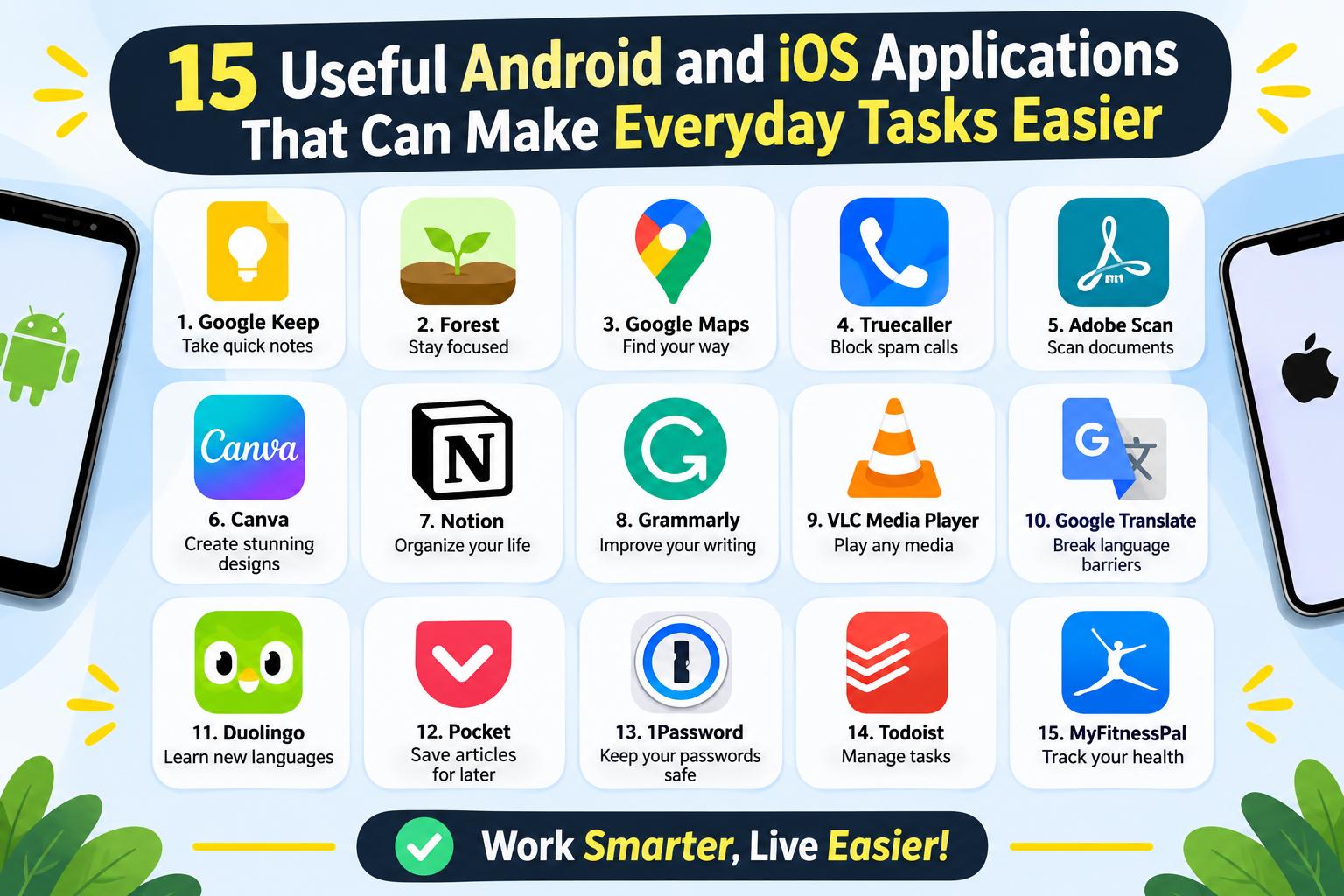
- 15 Useful Android and iOS Applications That Can Make Everyday Tasks Easier
-
 Health - 11:01:50pm 15-11-2026
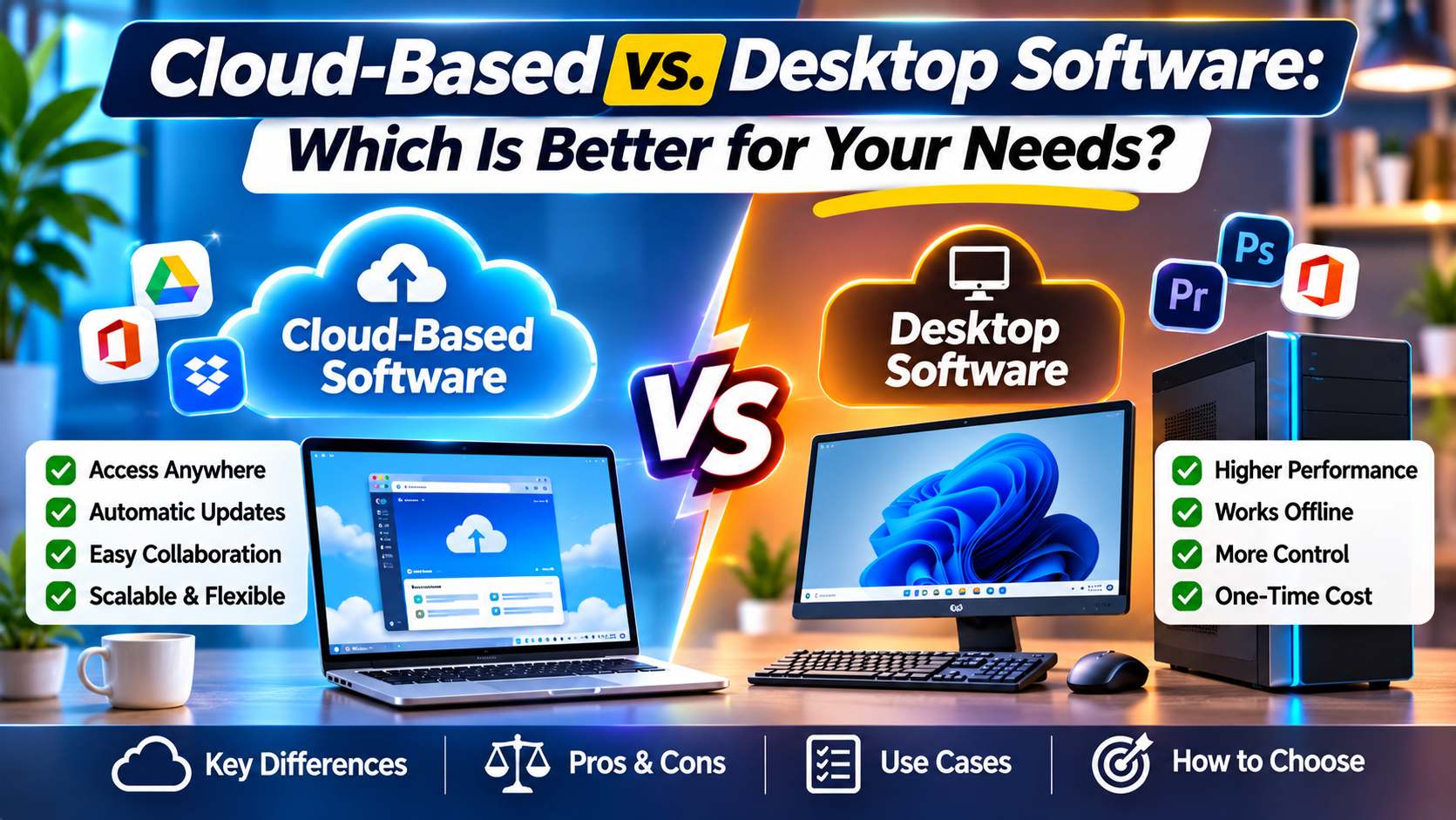
- Cloud-Based vs. Desktop Software: Which Is Better for Your Needs?
-
Health - 10:58:07pm 15-11-2026
-
 Blog
What Is the Best Cheap Car Insurance for Young Drivers
-
 Blog
Best Car Insurance for Electric Vehicles (EVs): Complete Guide for 2026
-
 Blog
Long Term Car Rental Discounts: The Complete Guide to Saving Big on Extended Rentals
-
 Blog
Health Insurance Exclusions: What to Check Before You Buy
-
 Blog
Health Insurance Waiting Period: What You Should Know Before Buying a Policy